Enhancing Accountability.
The Enhancing Accountability, Transparency and Anti-Corruption Project (EATAP) strengthens citizen oversight and promotes evidence-based accountability in the management of public resources in Zambia.
Implemented by Alliance for Accountability Advocates Zambia (AAAZ) with support from Diakonia, EATAP connects audit evidence with citizen knowledge, participation and action.
From public resources to public accountability.
EATAP responds to governance and accountability challenges by strengthening citizen oversight and encouraging informed engagement with public institutions.
Effective governance depends on the transparent, accountable, and responsible management of public resources. Recurring findings from the Auditor-General's Reports continue to point to weaknesses in public financial management, procurement processes, record-keeping, payroll administration, and compliance with established regulations.
These weaknesses can undermine service delivery, erode public trust in public institutions, and limit the developmental impact of public expenditure.
EATAP responds by strengthening citizen oversight and promoting evidence-based accountability in public resource management.
The project builds on AAAZ's previous accountability initiatives, including the My ID Campaign, which focused on corruption and inefficiencies in the issuance of National Registration Cards.
While earlier interventions addressed specific service delivery challenges, EATAP expands the scope of engagement by addressing systemic governance and corruption risks across multiple sectors, using audit evidence as a foundation for citizen action and institutional reform.
Audit findings need citizen action.
Audit reports alone do not lead to accountability. Sustainable change occurs when citizens understand audit findings, engage public institutions constructively, and consistently demand corrective action.
Audit findings can remain poorly understood
Despite the availability of oversight mechanisms, audit findings are often difficult for members of the public to understand and follow.
Corrective action requires sustained engagement
Similar irregularities can continue to appear in successive audit reports when findings are not adequately followed up.
Citizens need tools to monitor public resources
EATAP strengthens citizens' capacity to understand, monitor and engage around public resource management.
Accountability must move beyond reports
The project seeks to bridge the gap between audit evidence and citizen participation so accountability does not end with publication of a report.
Strengthening accountability through informed citizen engagement.
The overall goal of EATAP is to enhance accountability, transparency, and anti-corruption practices in the administration and utilisation of public resources in Zambia, through informed citizen engagement and evidence-based advocacy.
Project Objectives
Increase public awareness
Increase public awareness and understanding of corruption and poor service delivery issues highlighted in the Auditor-General's Reports.
Strengthen citizen capacity
Strengthen citizens' capacity to monitor public resource management and demand accountability from public institutions.
Promote transparency
Promote transparency and accountability in public financial management through media engagement, policy dialogue, and institutional collaboration.
Foster sustained participation
Foster sustained citizen participation in tracking public service delivery at community, district, and national levels.
Approach & Key Interventions
EATAP adopts a citizen-centred and evidence-driven approach, combining audit analysis, media engagement, and community-level action.
Audit Analysis & Tracking
Analysis and tracking of Auditor-General findings, with a focus on unresolved and recurring audit issues in the education, health and infrastructure sectors.
Public Awareness
Public awareness initiatives through radio programmes, social media, and digital platforms that explain audit findings in clear and accessible language.
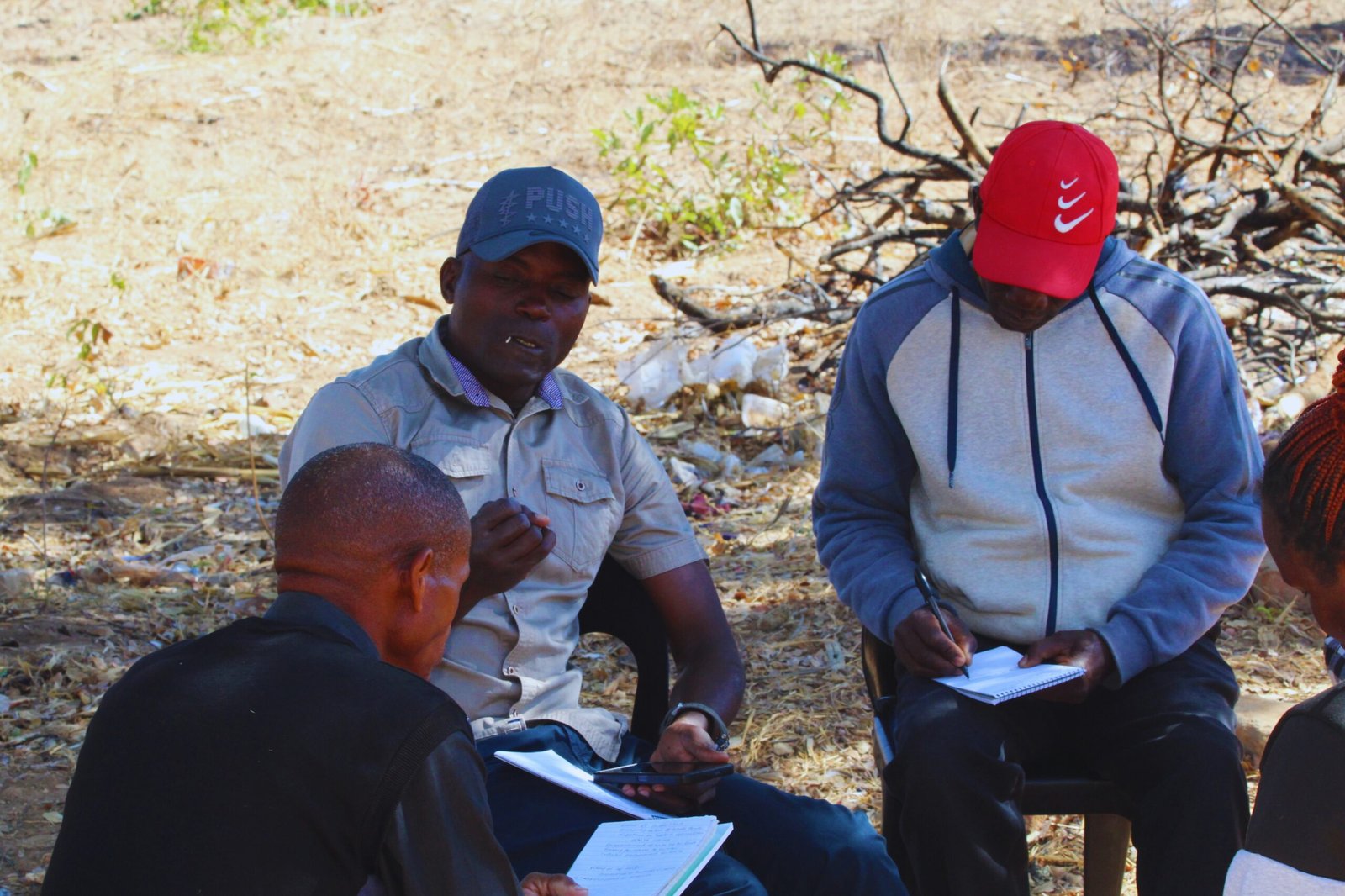
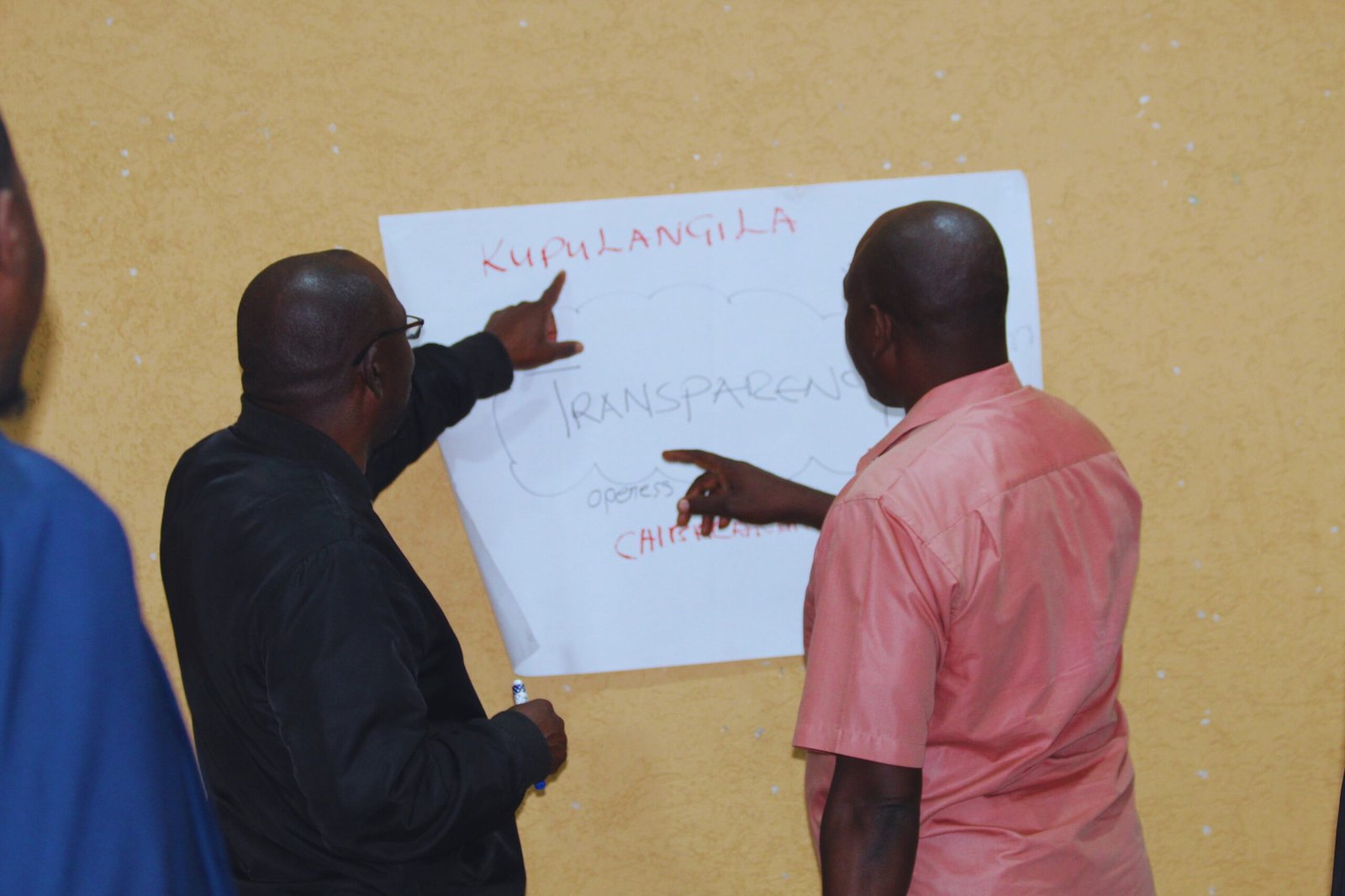
Community Anti-Corruption Workshops
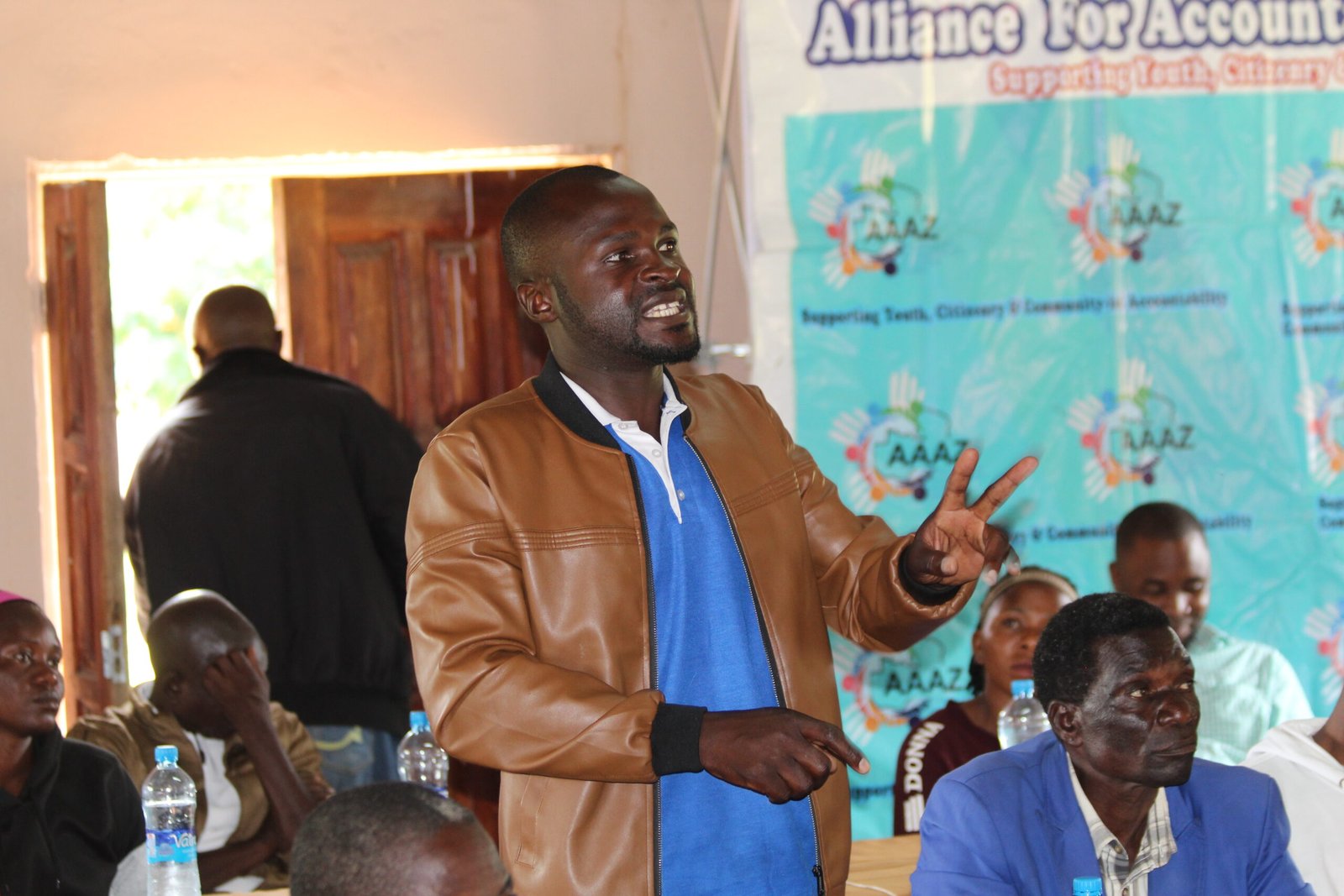
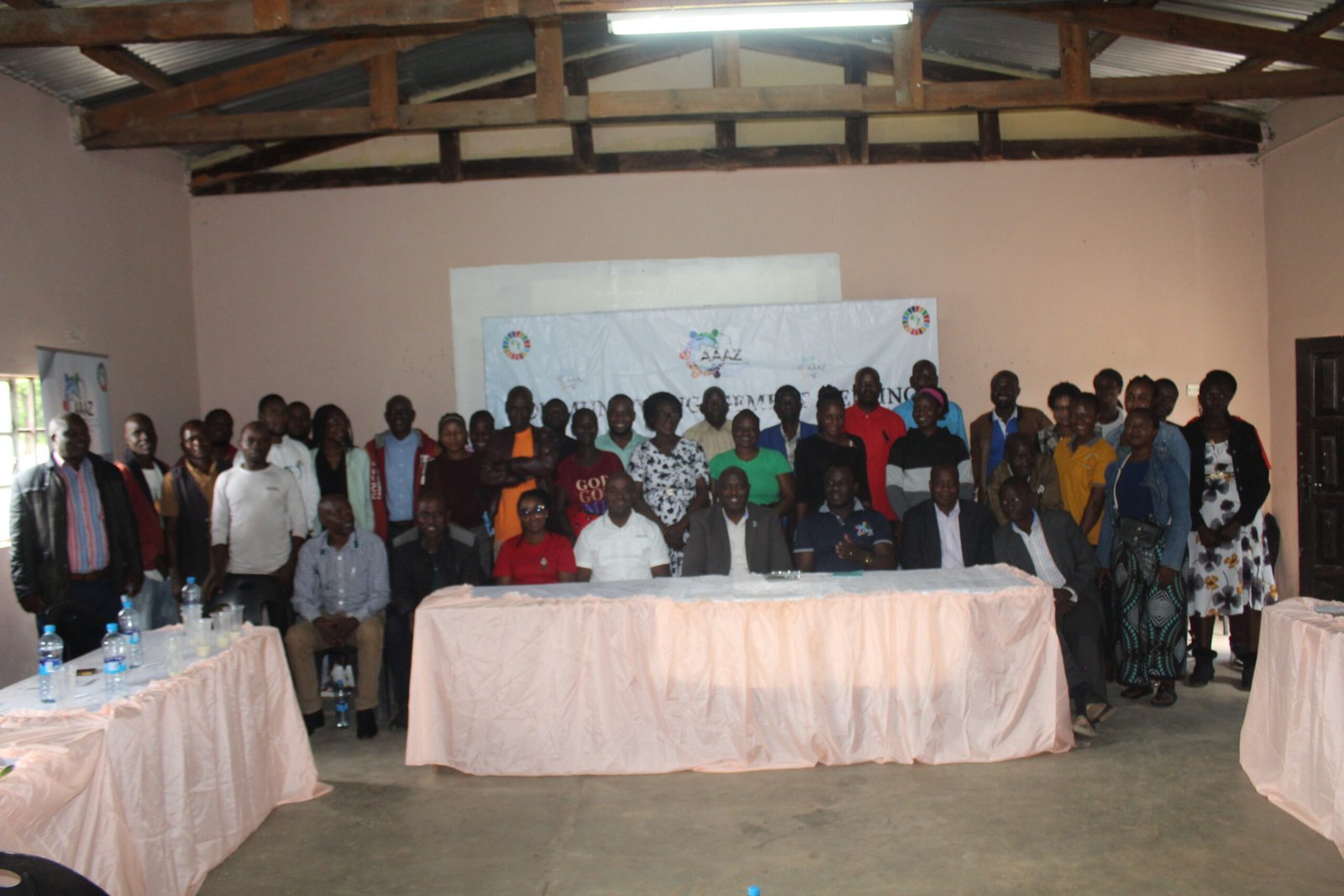
Community workshops that build citizens' skills in social accountability, budget tracking, and reporting corruption.
Community Anti-Corruption Action Groups
Establishment and support of Community Anti-Corruption Action Groups (CAAGs) to strengthen grassroots monitoring and collective action.
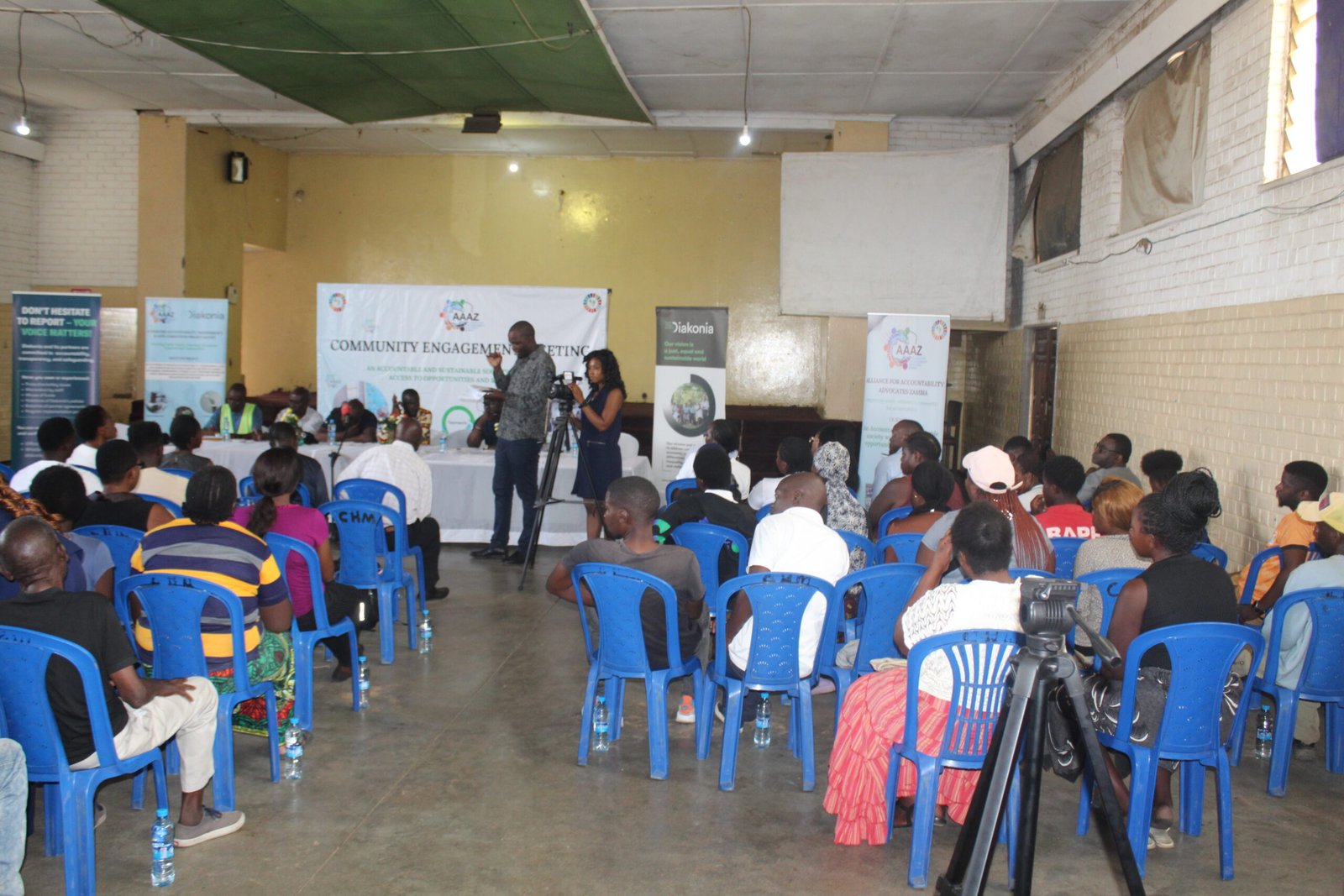
Stakeholder Engagement & Policy Dialogue
Engagement and policy dialogue with public institutions, oversight bodies, civil society organisations, and the media to encourage corrective action and reform.
Geographical Focus
While EATAP maintains a national outlook, recognising that governance challenges affect all regions of Zambia, targeted interventions focus on selected constituencies in Lusaka Province and Southern Province.
The project focuses on selected constituencies where AAAZ has strong membership presence and established community structures.
Expected Outcomes
Through EATAP, the project seeks to contribute to stronger citizen participation, improved oversight and more responsive public institutions.
Increased public awareness
Increased public awareness and engagement on audit findings and governance issues.
Improved citizen capacity
Improved citizen capacity to monitor public resource management and report corruption.
Stronger follow-up
Stronger demand for follow-up and corrective action on unresolved audit findings.
Enhanced dialogue
Enhanced dialogue between citizens and public institutions on transparency and accountability.
Greater pressure for reform
Greater pressure for reforms that improve service delivery and public trust in governance systems.
Turning audit evidence into citizen knowledge and action.
EATAP is premised on the understanding that accountability is a continuous process. By transforming audit evidence into citizen knowledge and action, the project works to ensure that public resources are managed in the public interest.
With support from Diakonia and implementation by AAAZ, EATAP contributes to strengthening governance systems, improving service delivery, and promoting a culture of accountability in Zambia.